Mount Kailash Mansarovar Yatra 2026:
The Ultimate Spiritual Journey
Embark on the most sacred pilgrimage on earth—the Mount Kailash Mansarovar Yatra. Rising to 6,638 meters in the remote Ngari prefecture of Tibet, Mount Kailash is revered by Hindus, Buddhists, Jains, and Bonpos as the spiritual center of the universe.
At Yatra Nepal, we specialize in organizing seamless, safe, and soul-stirring tours to Mount Kailash. Whether you choose the overland route via Kerung or the scenic helicopter tour, we ensure every detail of your pilgrimage is handled with care.
Why Visit Mount Kailash and Lake Mansarovar?
A journey to Mount Kailash is more than just a trek; it is an act of devotion.
The Holy Kora: Completing the 52km circumambulation (Parikrama) around the peak is believed to wash away the sins of a lifetime.
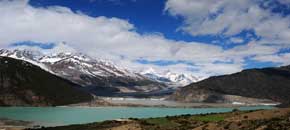
Lake Mansarovar: Situated at 4,590m, this "Lake of Mind" is where pilgrims take a holy dip to purify their souls.
Gauri Kunda: Witness the "Lake of Compassion" located just beyond the challenging Dolma La Pass (5,630m).
Best Time for Mount Kailash Tour 2026
The window for the Kailash Yatra is short due to extreme high-altitude weather.
May to June (Spring): Ideal weather with clear views and the famous Saga Dawa Festival (May 31, 2026).
September to October (Autumn): Deep blue skies and crisp air, perfect for photography and trekking.
Full Moon Dates: Many pilgrims plan their trip to reach Lake Mansarovar during the Full Moon (Purnima) to witness the silver glow of the mountain.
Popular Kailash Tour Packages from Kathmandu
| Package Type | Duration | Highlights |
| Overland via Kerung | 14 Days | Scenic drive through Langtang, budget-friendly, best for acclimatization |
| Kailash Tour by Helicopter | 11 Days | Fly to Simikot/Hilsa, saves time, minimizes long road travel. |
| Lhasa Kailash Tour | 16 Days | Combines Potala Palace tour with the sacred pilgrimage. |
Essential Travel Requirements for Mount Kailash Tour
Permits: You need a Tibet Travel Permit, Alien’s Travel Permit, and Military Permit. Yatra Nepal handles all paperwork.
Group Visa: For Indian and International travelers, a group visa from the Chinese Embassy in Kathmandu is mandatory.
Fitness: This is a high-altitude trek. We recommend cardiovascular training 2-3 months before departure.
Note for 2026 Travelers: The Year of the Horse (next occurring in 2026) is considered the most auspicious year in the Tibetan calendar to perform the Kailash Kora. Demand is high, so early booking is recommended!
About Mount Kailash:
Mount Kailash is situated in the western part of Tibet. It is at an altitude of 22028 ft (6638 m). Situated to the north of the Himalayan barrier, this legendary snow-shrouded rock dome is revered by four different religions as one of the most sacred pilgrimage destinations in Asia. The sources for four of South Asia's greatest rivers are nearby, and at the base of he mountain are two vast lakes, Manasarovar and Rakshas Tal.
Hindu Regard Mount Kailash as the earthly manifestation of Mount Meru, their spiritual center of the universe, described in ancient texts as a fantastic "world pillar" 84000 miles high, around which all else revolves, its roots in the lowest hell and its summit kissing the heavens. On top is the abode of their god Shiva, Lord of the Mountains, who shares this lofty peak with his consort, Parvati. Sprawling below is the sacred Manasarovar, where a ritual bath will deliver a pilgrim to Brahma's paradise and a drink of its waters relinquishes the sins of a hundred lifetimes. For the Jains, a religious sect holding many beliefs similar to those of Buddhists, Kailash is acclaimed as the site where there first prophet achieved enlightenment. Although they look much like Hindu pilgrims, Jains can often be identified by the small cloth bag containing prayer beads clutched in their right hands.
Mount Kailash is known to the Tibetans as Gang Rimpoche or by its aboriginal name, Ti-se. Tibetan Buddhists, like Hindus, recognize Kailash as the manifestation of Mount Meru, the "navel of the world" rusubg "like the handle of a mill stone" into the heavens. From the slopes of Mount Meru a stream is said to pour into Mapham Yumtsho, and from this lake flow four rivers in the four cardinal directions towards the oceans: the Senge Khabab (rivers from Lion Mouth) to the north, the Tamchok Khabab (river from the Horse Mouth), to the east, The Mapcha Khabab (river from the Peacock Mount) to the south, and the Langchen Khabab (river from the Elephant Mouth) to the west. Thesemythical rivers arenow associated with the four major rivers originating near Mount Kailash: the Indus, the Brahmaputra, The Karnali, and the Sutlej, respectively. Mount Kailash also has a special association with the poet saint Milerepa, who spent several years here meditating in caves. Mount Kailash is sacred to the Bon religion as well.
About Lake Mansarovar:
The great lake Mansarover is situated in the south-west corner of Tibet and in the north-west of Nepal . It beyond high Himalayas which borders Nepal and
China . Tibetan plateau in itself is unique in its geographic make up with its fauna and flora and mythical setup of ecosystem. The lake is 20 kms from Mount Kailash and is one of the most beautiful and sacred lake in Asia . It can be circumambulated in four or five days. It is often a gem like cobalt blue color
but during storm, it can turn into a churning black sometimes.
According to Hindu and Buddisht epics, the four great rivers of the Indian sub-continent, the Indus , Ganga , Sutlej and Brahamaputra actually arise from
Mansarover. In reality, only the Sutlej originates from the lake. Lake Mansarover has been circumambulated by the Indian pilgrims at least since being extolled in the sacred Sanskrit literature called the Puranas around 1700 years ago. Legends has that the mother of Buddha, Mayadevi was bathe at Mansarovar by Gods before giving birth to her son.
In a hundred ages of the gods i could not tell thee the glories of [the himalaya]...................... there is no mountain like [the Himalaya] for in it
are Kailash and Mansarovar. From the Hindu epic Ramayan.
Here in this page of Mount Kailash Tour we have tried our best to provide all the necessary information travellers needed while travelling to Holy Mount Kailash and Lake Manasarovar and also other necessary things devotees or adventurer needed before travelling to Tibet.
Oveviews
General Facts of Holy Mount Kailash Tour:
Trip Days : 17 Days
Maximum Altitude: 5630 m.
Weather : Be well equipped for coldness.
Accommodation : Basis Guest House (Dormitory room).
Trek Grade: Moderate to Strenuous.
Per Day Trekking: 5 to 8 hours.
Season : August 03, 2026
Tour Code: MKT 85.
Holy Mount Kailash Tour Summary:
Day 01, August 03: Kathmandu Arrival.
Day 02, August 04: Sightseeing Tour in Kathmandu.
Day 03, August 05: Sightseeing Tour in Kathmandu.
Day 04, August 06: Kathmandu - Syafru Besi.
Day 05, August 07: Syafru Besi - Kerung.
Day 06, August 08: Drive Kerung - Saga (4200 m).
Day 07, August 09: Free day for acclimatization.
Day 08, August 10: Drive Saga - Lake Mansarovar (4560 m).
Day 09, August 11: Drive Lake Mansarovar - Darchen (4663 m).
Day 10, August 12: Drive Darchen - Yama Dwar - trek to Deraphuk Gompa (4920 m).
Day 11, August 13: Deraphuk Excursion.
Day 12, August 14: Parikrama (trek) Deraphuk - Zuthulphuk (476s0 m) – 22 kms.
Day 13, August 15: Parikrama (trek) end (11 kms) - Drive Mansarovar (Hor Que) and to Saga.
Day 14, August 16: Drive Saga - Kerung - Kathmandu.
Day 15, August 17: Departure.
Detailed Itinerary
Day 01, August 03: Kathmandu Arrival.
Day 02, August 04: Sightseeing Tour in Kathmandu.
Day 03, August 05: Sightseeing Tour in Kathmandu.
Day 04, August 06: Kathmandu - Syafru Besi.
Day 05, August 07: Syafru Besi - Kerung.
Day 06, August 08: Drive Kerung - Saga (4200 m).
Day 07, August 09: Free day for acclimatization.
Day 08, August 10: Drive Saga - Lake Mansarovar (4560 m).
Day 09, August 11: Drive Lake Mansarovar - Darchen (4663 m).
Day 10, August 12: Drive Darchen - Yama Dwar - trek to Deraphuk Gompa (4920 m).
Day 11, August 13: Deraphuk Excursion.
Day 12, August 14: Parikrama (trek) Deraphuk - Zuthulphuk (476s0 m) – 22 kms.
Day 13, August 15: Parikrama (trek) end (11 kms) - Drive Mansarovar (Hor Que) and to Saga.
Day 14, August 16: Drive Saga - Kerung - Kathmandu.
Day 15, August 17: Departure.
Include & Exclude
Cost includes:
Airport pickup, sightseeing and airport drop by non a/c car.
Kathmandu - Border - Kathmandu by non a/c jeep or bus.
English speaking guide during sightseeing in Kathmandu.
Sightseeing place entrance fee as per itinerary.
Chinese Visa fee.
3 nights in Kathmandu on twin sharing room.
Transportation in Tibet part by Van or bus.
Accommodation in Tibet part on local guest house.
Daily breakfast throughout the trip.
All necessary Tibet Travel permit.
Yak and Yak men during Kailash kora to carry luggage only.
English speaking Tibetan guide in Tibet part.
All applicable taxes and service charge.
Cost Excludes:
Lunch and Dinner throughout the trip.
Personal expenses.
Bar, Beverages and mineral water.
Air ticket to Kathmandu & return from /to your home country
Nepal entry or re-entry visa fee.
Your travel insurance.
Rescue and evacuation service.
Asthpad Darshan (restricted to drive by vehicle but you can trek if you want)
Horse & porter for your personal riding during the Parikrama
Bottled drinks.
Tips for Sherpa staff, guide & driver.
Extra night accommodation in Kathmandu in case of early arrival from Kailash.
Any additional cost (transport, hotel, visa split charge) that occurs due to illness or rescue of the member
Any additional cost due to natural calamity and unforeseen circumstances.
Gallery


https://www.yatranepal.com/mount-kailash-tour#sigFreeId81c77bb091
 977-01-4425993
 Email Us
  Trip Extension
 Check List
 Travel Info
 Visa Information
 When to Travel
 How to Travel
 Terms & Conditions
 Payment Options